
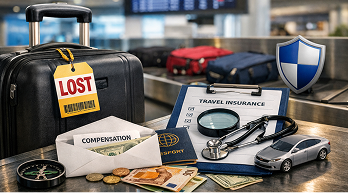
In many cases, yes, but only when policy terms and claim steps are followed correctly. Lost or delayed baggage is one of the most common travel disruptions, especially on routes with multiple transfers. Insurance can reduce financial impact by reimbursing eligible expenses or defined compensation amounts. However, support depends on event type, policy limits, required documents, and reporting timeline. Travelers who understand these conditions before departure usually handle incidents faster and with better outcomes.
Baggage loss affects more than convenience. It can interrupt schedules, force unplanned purchases, and create stress during important travel events. For business trips, missing items can affect meetings. For family travel, replacement essentials add cost quickly. Insurance support helps contain these impacts, but practical effectiveness depends on preparation and documentation quality.
Policies often treat baggage loss, delay, and physical damage as separate claim categories. Compensation logic and limits may differ across these categories. Some plans prioritize essential replacement during delay, while others focus on confirmed loss scenarios. Travelers should verify category rules instead of assuming one rule covers all baggage events. Clarity here prevents confusion at claim stage.
Airline or airport incident reports are usually the core evidence for baggage claims. Without official records, claim validation becomes difficult. If baggage is missing, report immediately at the airport and obtain written confirmation. Keep reference numbers and follow up logs. Insurance support is strongest when event chronology is documented from the first moment.
Most policies include claim submission deadlines. Delayed reporting or incomplete files can reduce claim quality and cause rejection risk. Keep all receipts, communication records, claim forms, and official notices organized in one folder. Good documentation is not optional paperwork, it is your claim foundation. Structured evidence improves processing speed and outcome reliability.
Baggage coverage usually works within predefined limits, so expectations should be realistic. The objective is often partial financial relief, not full replacement of all personal items at retail value. Understanding this in advance helps travelers make better immediate decisions and avoid frustration. Policy value is highest when expectations match contract scope.
Routes with multiple connections, short transfer windows, or peak season congestion carry higher baggage disruption probability. In these scenarios, baggage clauses deserve extra attention during policy selection. Travelers with essential equipment or strict schedules should prioritize this block in their comparison criteria.
Insurance is one layer; personal prevention is another. Keep valuables and critical documents in carry on, label checked baggage clearly, and photograph important items before departure. Maintain digital copies of tickets and baggage tags. These habits reduce incident impact and strengthen claim evidence if problems occur.
Travel insurance can help in baggage loss or delay cases, but success depends on policy scope and disciplined claim action. The best protection comes from combining suitable coverage, fast official reporting, and organized evidence. Before traveling, review baggage terms and practical claim rules carefully. To compare options with these points in mind, visit the international travel insurance page.