
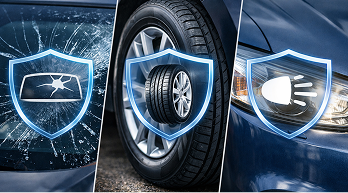
This is one of the most practical CASCO questions because these parts are frequently damaged in daily driving. Windshield cracks from road debris, tire damage from potholes, and headlight breakage from minor impacts are common events. Many drivers assume full CASCO automatically includes all three. In reality, coverage varies by product design. Some plans include these components in standard protection, others provide them as optional modules with specific limits. The only reliable answer comes from component level policy review, not from headline coverage labels.
Insurers organize risk differently based on claim frequency and cost patterns. In some portfolios, glass and headlight incidents are integrated in core coverage. In others, they are separated to keep base premium lower and let drivers choose add ons. This means two policies with similar prices may offer very different practical value for everyday damage scenarios. Without comparing component terms directly, buyers can miss critical differences and face surprise expenses later. Structured comparison is therefore essential.
Windshield and window claims are often treated with specific conditions. Some policies allow simplified handling for limited annual incidents, while others require full event documentation each time. There can also be differences between repair and replacement eligibility. Understanding these details matters because process speed and reimbursement level may depend on them. Drivers should confirm limits, evidence requirements, and workshop routing before purchase. Windshield protection is useful only when claim path is clear and operationally realistic.
Tire coverage can be more restrictive than many buyers expect. Some plans respond only when tire damage is linked to covered accident scenarios, while standalone road hazard damage may require additional terms. Wear and tear is typically excluded, and distinction between sudden damage and gradual degradation is important. Owners should verify exactly what tire related events qualify. A simple yes or no understanding is not enough. Claim eligibility often depends on cause classification and proper incident documentation.
Modern headlights can be expensive due to advanced technology and integrated sensors. Replacement and calibration costs may be significant, especially in newer vehicles. Policy wording may define whether full replacement is covered, under which conditions, and through which service channels. Some plans include headlights as part of standard body damage response, others attach them to optional extensions. Because of high component value, this section deserves close attention during comparison rather than being treated as minor detail.
Deductible level strongly affects practical benefit for frequent medium size incidents like glass or tire damage. A high deductible may reduce annual premium but can make small claims economically unattractive. A lower deductible increases annual cost but improves day to day usability of coverage. Choosing the right balance depends on driving environment, parking conditions, road quality, and personal cash reserve. Deductible should be matched to expected incident profile, not selected only for upfront savings.
Even when coverage exists, poor process can weaken claim outcomes. Drivers should collect clear photos, preserve timeline details, and contact support before starting repair. Unapproved repairs can create reimbursement issues in some policy structures. Following the correct sequence protects claim integrity and reduces delays. Operational discipline is a practical extension of policy protection. Coverage is strongest when process and documentation are managed correctly from the first step.
Use a side by side table with dedicated rows for windshield, tires, headlights, deductible, limits, exclusions, and claims workflow. This approach converts vague promises into measurable differences. It also reveals whether a slightly higher premium may actually reduce total risk cost in real life. Price alone cannot capture component level protection quality. Structured comparison helps drivers choose a policy that performs where incidents most frequently happen.
Drivers in dense urban traffic, frequent highway users, and owners with expensive lighting systems should pay special attention to these components. If daily exposure to road debris, tight parking, or uneven roads is high, component coverage relevance increases. In such contexts, reviewing details early can prevent repeated out of pocket payments later. The practical value of CASCO often appears through these recurring smaller incident channels.
CASCO can cover windshield, tire, and headlight damage, but terms are policy specific and should never be assumed. The right decision requires checking component coverage scope, exclusions, deductible behavior, and claims process rules. Buyers who compare these details in advance usually experience better real world protection and fewer surprises. For side by side plan analysis, review options on the CASCO insurance page before final selection.