
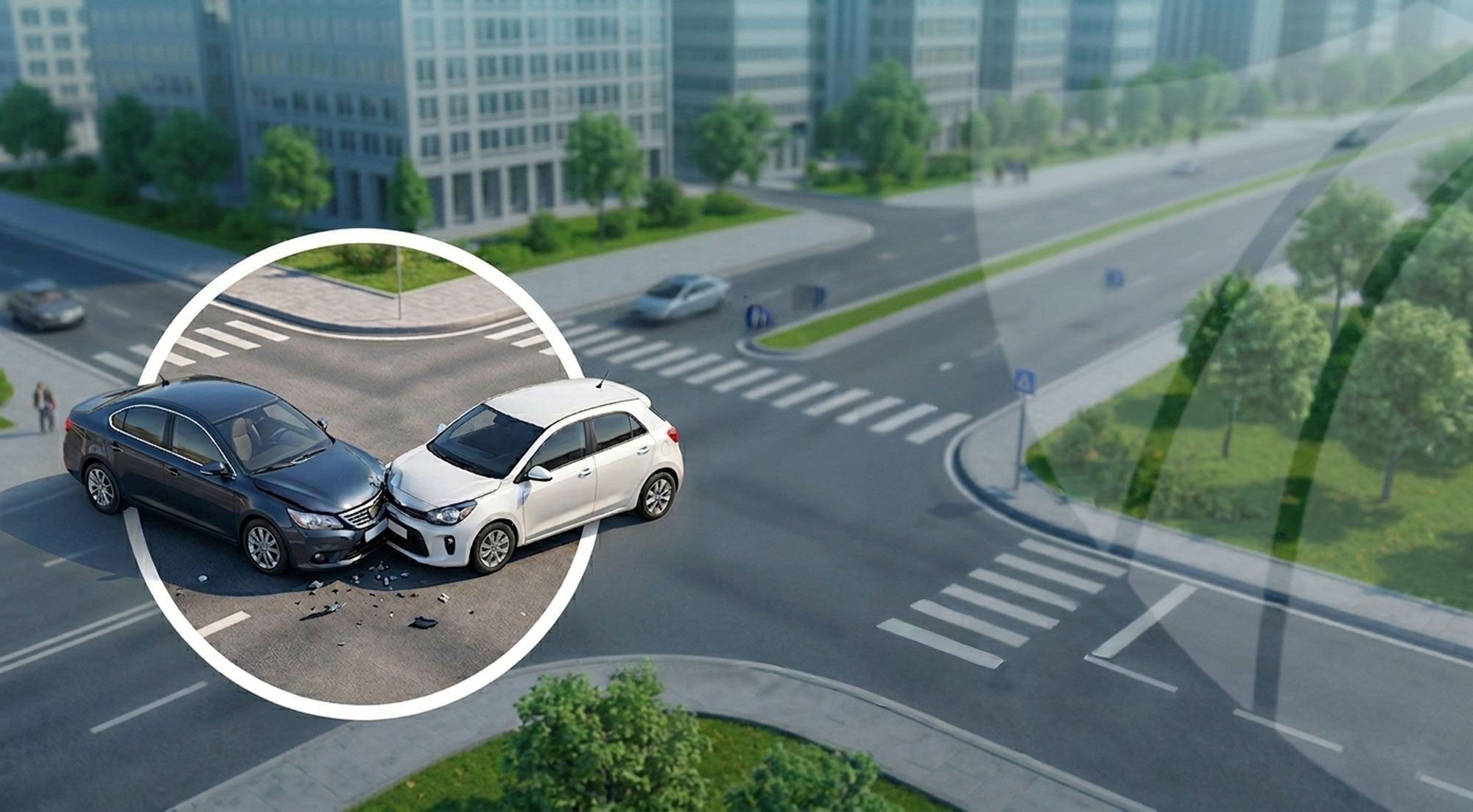
Many drivers see compulsory car insurance as just another required document and do not fully understand how it actually works until they become involved in an accident. However, making the right decisions during a traffic accident is extremely important both financially and legally.
Most people experience stress immediately after an accident and may become confused about what steps should be taken. Because of this, understanding how compulsory car insurance works beforehand can help drivers avoid unnecessary problems later.
The first priority should always be safety. If possible, vehicles should be moved to a safe position to avoid creating additional danger on the road.
Depending on the seriousness of the accident, the appropriate authorities may also need to be informed. If injuries or significant damage are involved, official procedures become especially important.
If the accident was your fault, the financial damage caused to the other party is evaluated within the framework of compulsory car insurance.
After collecting information related to the incident, the insurance company assesses the damage and begins the compensation process according to the policy conditions.
The main purpose of this system is to prevent the entire financial burden of the accident from falling directly on the driver.
Compulsory car insurance mainly covers damages caused to third parties. This may include:
- Damage to another vehicle
- Damage to third-party property
- Medical expenses resulting from injuries caused by the accident
The amount of compensation depends on the nature of the accident and the coverage limits defined by the insurance policy.
Many drivers assume that compulsory insurance will also pay for repairs to their own vehicle after an accident. In reality, this type of insurance is liability insurance.
Its purpose is to compensate damage caused to others. Drivers who want protection for their own vehicles should also consider Kasko insurance.
One of the biggest mistakes after an accident is failing to properly document the situation. Some drivers underestimate the importance of accurate information and official procedures.
Another common issue is making emotional decisions under stress. Panic and confusion may later create legal or financial complications.
Scenario 1: A driver damages another vehicle during an accident. The insurance company evaluates the situation and covers the repair expenses.
Scenario 2: Third-party property is damaged during the accident. Compensation may also be provided within the policy limits.
Scenario 3: Someone is injured during the accident. Medical costs are reviewed and compensated according to the insurance conditions.
Many drivers only start learning about insurance procedures after becoming involved in an accident. However, understanding the process in advance can reduce stress, save time, and help drivers make better decisions.
This knowledge also allows drivers to react more calmly and responsibly during difficult situations on the road.
Compulsory car insurance is an important financial protection system designed to reduce the financial consequences of traffic accidents. Understanding how it works helps drivers make safer and more informed decisions.
If you drive regularly, having active and reliable insurance coverage is essential.