In recent years, the insurance market in Azerbaijan has entered a noticeable phase of transformation. Official statistics for 2026 confirm that the number of insured individuals in the country has already exceeded 2.2 million. This figure is not just a statistical indicator but also reflects fundamental changes in the financial behavior of society.
While insurance was previously perceived mainly as a mandatory product, today it is increasingly viewed as a tool for risk management. People are gradually realizing that insurance is not only meant to cover expenses but also serves as a strategic instrument for maintaining financial stability. According to data from the State Social Protection Fund, there is a steady increase in the number of insured individuals registered in the personal accounting system. This growth is directly linked to rising economic activity and formal employment.
Data released at the beginning of 2026 shows that the number of individuals joining the insurance system has reached a record level. This growth is observed among both legal entities and individuals. The increase in individual participation is particularly noteworthy, indicating a shift in how people perceive risks and their growing focus on financial security.
At the same time, the integration of landowners and individuals engaged in agriculture into the insurance system is expanding. This proves that insurance is no longer limited to urban areas but is spreading regionally as well.
The increase in the number of insured individuals signifies not only sectoral growth but also a strengthening of the overall economic structure. It is directly connected to the expansion of the formal economy and the improved efficiency of the tax system. The growing interest in insurance indicates that people are beginning to assess risks more accurately, which is one of the key indicators of rising financial literacy.
On the other hand, this growth enables the social protection system to cover a broader population. This strengthens the balance of financial security between the state and citizens.
Current data shows that growth in the insurance market is particularly strong in several key segments. These segments align with areas of increasing economic activity. The rising interest in insurance among individuals reflects a shift in consumer behavior, as people are now showing interest not only in mandatory but also in voluntary insurance products.
Legal entities and small businesses are also taking risk management more seriously. This contributes to the formation of a more stable and structured business environment.
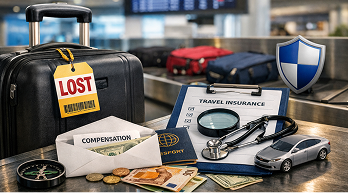
The insurance market in Azerbaijan is expected to enter a more dynamic phase of growth in 2026. In particular, demand for voluntary insurance products is likely to increase. Travel insurance is considered one of the fastest-growing segments in this direction. The rise in regional and international travel is further driving demand for this product.
In addition, the development of digital insurance platforms is creating a new phase in the market. Users can now access insurance services more conveniently, quickly, and transparently.
The fact that 2.2 million people are part of the insurance system indicates growing trust in the market. This is not just statistical growth but also a behavioral transformation.
People are beginning to see insurance not as an additional expense but as a long-term financial protection mechanism. This shift contributes to the stable development of the market. Increased trust also encourages insurance companies and platforms to raise their quality standards.
As the market grows, user behavior continues to evolve. People now compare insurance products, conduct research, and make more informed decisions. This significantly increases the role of online insurance platforms. Users prioritize fast and transparent services. The insurance market in Azerbaijan has already entered a new stage of development, and this transformation is expected to accelerate in the coming years.